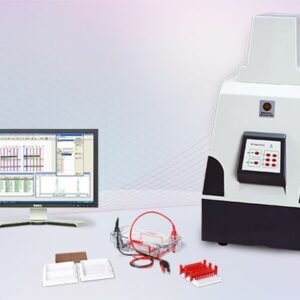
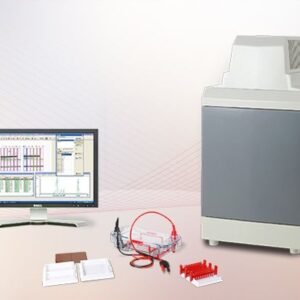
Tanon develops instruments and supporting products for gel electrophoresis, protein blotting, chemiluminescence imaging and molecular biology research. The brand is best known for gel documentation and chemiluminescence imaging systems used to detect nucleic acids and proteins.
Its product portfolio covers several connected stages of the experimental workflow, including electrophoretic separation, protein transfer, signal development, image acquisition and quantitative analysis.
Gel Imaging Systems
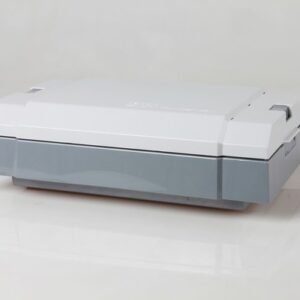
Tanon gel imaging systems are used to capture and analyze DNA, RNA and protein bands in agarose or polyacrylamide gels.
Depending on the model and configuration, supported detection methods may include:
- UV fluorescence
- Blue-light fluorescence
- Visible-light imaging
- DNA and RNA gel staining
- Protein gel staining
- Colony and plate imaging
Common applications include imaging gels stained with ethidium bromide, SYBR-type dyes, GelRed, GelGreen and other fluorescent nucleic acid stains.
When selecting a gel imaging system, laboratories should consider the excitation source, emission filters, camera resolution, imaging area and compatibility with the stains used in their experiments.
Chemiluminescence Imaging Systems
Chemiluminescence imaging is one of Tanon’s most recognizable product areas. These systems are primarily used to detect Western blot signals generated with horseradish peroxidase and ECL substrates.
Compared with traditional X-ray film, digital chemiluminescence imaging can provide:
- Direct image acquisition
- Adjustable exposure times
- Reduced dependence on darkroom facilities
- Quantitative band analysis
- Easier image storage and export
- Multiple exposure options for strong and weak signals
System performance depends on camera sensitivity, cooling capability, lens aperture, dynamic range and the intensity of the chemiluminescent substrate.
For low-abundance proteins, researchers should select a system with a cooled, high-sensitivity camera and suitable long-exposure performance.
Multifunctional Imaging Systems
Selected Tanon imaging platforms combine chemiluminescence, fluorescence and visible-light detection in one instrument.
Depending on the system configuration, these instruments may support:
- Chemiluminescent Western blots
- Fluorescent Western blots
- DNA and RNA gels
- Coomassie-stained protein gels
- Silver-stained gels
- Fluorescently labeled samples
- Colorimetric membranes
- Selected plate-based imaging applications
A multifunctional system can be useful for shared laboratories that perform both nucleic acid and protein experiments. The exact fluorescence channels and filter combinations should be confirmed before ordering.
Gel Electrophoresis Systems
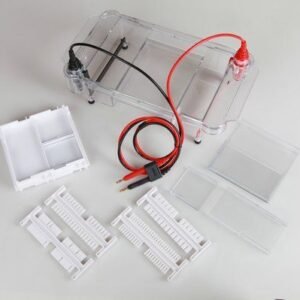
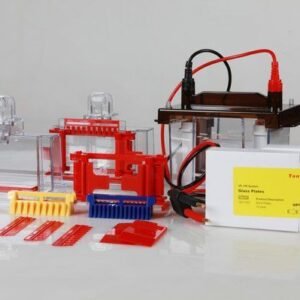
Tanon supplies horizontal and vertical electrophoresis equipment for the separation of nucleic acids and proteins.
Horizontal electrophoresis systems are commonly used for agarose gel analysis of:
- PCR products
- Restriction enzyme products
- Plasmid DNA
- Genomic DNA
- RNA samples
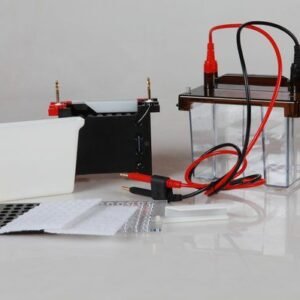
Vertical electrophoresis systems are generally used for polyacrylamide gel electrophoresis, including SDS-PAGE protein separation.
Before selecting an electrophoresis system, laboratories should confirm the gel dimensions, comb configuration, number of samples, buffer capacity and compatibility with the required power supply.
Protein Transfer Systems
Protein transfer equipment moves separated proteins from a polyacrylamide gel onto a PVDF or nitrocellulose membrane for subsequent antibody detection.
Tanon provides wet-transfer and related blotting equipment for routine Western blot workflows. Transfer performance can be influenced by:
- Target molecular weight
- Membrane material
- Transfer buffer
- Transfer voltage or current
- Transfer duration
- Cooling conditions
- Gel thickness
High-molecular-weight and low-molecular-weight proteins may require different transfer conditions. The blotting chamber and power supply should therefore be selected according to the laboratory’s most common applications.
Electrophoresis Power Supplies
Tanon electrophoresis power supplies provide controlled voltage, current and power for gel electrophoresis and protein-transfer experiments.
Different models may be suited to routine nucleic acid electrophoresis, SDS-PAGE or higher-current protein-transfer applications.
Important selection criteria include:
- Output-voltage range
- Maximum current
- Maximum power
- Number of output terminals
- Programmable operating modes
- Safety and overload protection
The maximum output specification should be checked against the combined requirements of all connected electrophoresis or transfer tanks.
Gel Drying and Supporting Equipment
Tanon also provides instruments and accessories used around gel electrophoresis and imaging workflows. These may include gel dryers, UV transilluminators, blue-light transilluminators and gel-viewing equipment.
UV transilluminators provide strong excitation for many conventional fluorescent stains, but prolonged UV exposure can damage nucleic acids. Blue-light systems may be preferred when DNA bands will subsequently be excised for cloning or sequencing.
Image Analysis Software
Tanon imaging systems are supplied with software for image acquisition and experimental-data analysis.
Depending on the instrument and software version, available functions may include:
- Automatic and manual exposure
- Band detection
- Molecular-weight estimation
- Background subtraction
- Band-intensity measurement
- Relative quantitative analysis
- Lane and peak analysis
- Image annotation and export
For Western blot quantification, saturated bands should be avoided because they no longer provide a reliable relationship between signal intensity and protein amount.
Researchers should retain the original image files and document all image-processing settings used for analysis.
Western Blot Workflow Integration
Tanon products can support a substantial portion of a routine Western blot workflow:
- Protein separation by vertical electrophoresis
- Transfer to a PVDF or nitrocellulose membrane
- Antibody incubation and ECL signal development
- Chemiluminescence image acquisition
- Band quantification and result export
Reagents such as gels, running buffers, transfer buffers, membranes, antibodies and ECL substrates must be selected separately unless included in a specific product package.
Main Research Applications
Tanon instruments are commonly used in:
- Molecular biology
- Protein-expression analysis
- Western blotting
- DNA and RNA electrophoresis
- Cancer research
- Immunology
- Neuroscience
- Cell signaling
- Microbiology
- Drug discovery
- Agricultural and food research
- Biotechnology quality control
Selecting and Purchasing Tanon Instruments
Before ordering, confirm the required detection modes, camera specifications, excitation sources, filter configuration and imaging area.
For international installations, laboratories should also verify:
- Exact instrument model
- Input voltage and frequency
- Plug type
- Computer and software requirements
- Instrument dimensions
- Included trays and filters
- Required electrophoresis accessories
- Installation and training requirements
- Warranty and after-sales support
Configurations can differ between models and markets. The exact detection channels, accessories and software functions should therefore be confirmed in the current quotation rather than inferred from the product-family name.
Tanon products are primarily intended for laboratory research and should not be presented as clinical diagnostic instruments unless the exact model has the necessary regulatory status.