Epizyme Biomedical develops research reagents for molecular biology, protein research, cell biology and immunological experiments.
The brand provides many of the routine reagents needed for nucleic acid preparation, PCR, molecular cloning, protein electrophoresis, Western blotting, cell culture and fluorescence-based cell analysis.
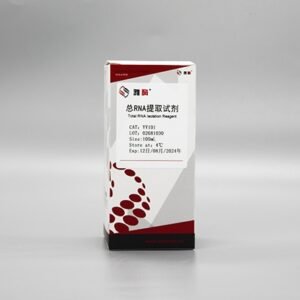
DNA and RNA Extraction
Epizyme supplies products for extracting and purifying nucleic acids from cells, tissues, blood, microorganisms and other biological materials.
The portfolio includes:
- Total RNA extraction reagents
- Genomic DNA extraction kits
- Plasmid DNA purification kits
- Viral DNA and RNA extraction products
- PCR product purification kits
- DNA gel extraction kits
- Magnetic-bead purification reagents
- DNase and RNase-removal products
The appropriate extraction method should be selected according to sample type, starting quantity and downstream application.
RNA intended for qPCR or sequencing should be evaluated for concentration, purity and integrity before use.
PCR and DNA Amplification
Epizyme supplies DNA polymerases, PCR master mixes and related reagents for routine amplification, cloning and genotyping.
Available product types include:
- Conventional PCR master mixes
- High-fidelity DNA polymerases
- Hot-start PCR reagents
- Long-fragment PCR products
- Direct PCR reagents
- Genotyping PCR master mixes
- dNTP mixtures
- PCR supporting buffers
The polymerase should be selected according to template complexity, amplification length, required fidelity and downstream use.
High-fidelity enzymes are generally recommended when PCR products will be cloned, sequenced or used for protein expression.
Reverse Transcription and qPCR
The reverse-transcription and quantitative PCR portfolio supports gene-expression analysis and nucleic acid detection.
Products include:
- Reverse transcriptases
- First-strand cDNA synthesis kits
- Genomic DNA removal reagents
- SYBR Green qPCR master mixes
- Probe-based qPCR master mixes
- One-step RT-qPCR products
- Reference dyes and supporting reagents
Researchers should check compatibility with the qPCR instrument, particularly when the master mix contains ROX or another passive reference dye.
Accurate gene-expression analysis also requires suitable reference genes and consistent RNA input across samples.
Molecular Cloning
Epizyme offers enzymes, competent cells and kits used for plasmid construction and DNA assembly.
Relevant products include:
- DNA ligases
- Seamless cloning kits
- Homologous recombination reagents
- Competent cells
- Site-directed mutagenesis kits
- Restriction-related enzymes
- Plasmid purification kits
- Agarose and nucleic acid stains
For seamless cloning, the insert and vector must contain correctly designed homologous regions. Assembly efficiency may decrease when too many fragments are combined simultaneously.
DNA and RNA Electrophoresis
The portfolio includes reagents for separating and visualizing nucleic acids.
Available products may include:
- Agarose
- DNA loading buffers
- RNA loading buffers
- TAE and TBE buffers
- DNA ladders
- RNA ladders
- Nucleic acid stains
- Gel-recovery products
When DNA will be recovered for cloning or sequencing, researchers may prefer blue-light-compatible nucleic acid stains to reduce UV-induced damage.
The agarose concentration should be selected according to the expected fragment-size range.
Protein Extraction
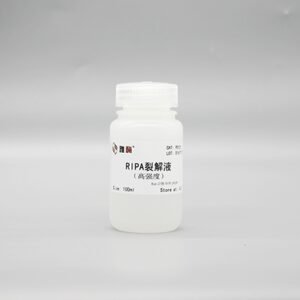
Epizyme supplies lysis buffers and inhibitor products for extracting proteins from cells and tissues.
The range includes:
- RIPA lysis buffers
- NP-40-based lysis buffers
- Nuclear and cytoplasmic extraction kits
- Membrane-protein extraction products
- Protease inhibitor cocktails
- Phosphatase inhibitor cocktails
- PMSF solutions
- Protein solubilization reagents
Lysis strength should be matched to the sample and downstream experiment. Strong detergents may improve total protein extraction but can disrupt protein complexes.
For phosphorylated targets, samples should be kept cold and processed with suitable phosphatase inhibitors.
Protein Quantification
Epizyme provides colorimetric assays for measuring protein concentration before electrophoresis or other quantitative experiments.
Common formats include:
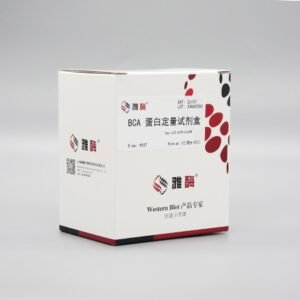
- BCA protein assays
- Bradford protein assays
- Micro-volume protein assays
- Detergent-compatible assays
Sample-buffer compatibility should be checked carefully. Reducing agents, chelators and high detergent concentrations may interfere with some protein assays.
Standards should ideally be prepared in a buffer similar to the sample buffer.
SDS-PAGE
Protein electrophoresis products cover gel preparation, sample treatment and electrophoretic separation.
The portfolio includes:
- Acrylamide solutions
- Gel preparation kits
- Fast gel-preparation reagents
- Protein loading buffers
- Running buffers
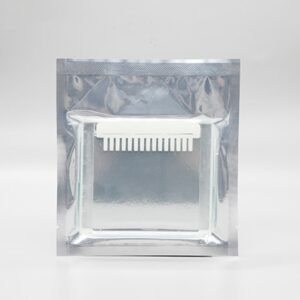
- Precast protein gels
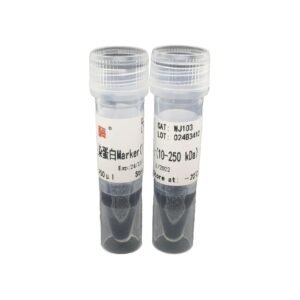
- Protein molecular-weight markers
- Protein gel stains
The gel percentage should be selected according to target molecular weight. Gradient gels may be useful when proteins with a broad range of molecular weights must be resolved in the same experiment.
Precast gels can reduce preparation time and improve inter-gel consistency.
Western Blotting
Epizyme supplies reagents for protein transfer, membrane blocking, antibody incubation and signal detection.
Products include:
- Protein transfer buffers
- PVDF membranes
- Nitrocellulose membranes
- Blocking buffers
- Primary antibody diluents
- Secondary antibody diluents
- Membrane-washing buffers
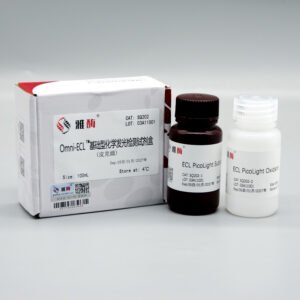
- ECL chemiluminescent substrates
- Western blot stripping buffers
ECL products with different sensitivity levels should be matched to target abundance and imaging-system performance.
Excessively sensitive substrates can increase background or cause strong bands to become saturated.
Protein Purification
The product range includes resins and supporting reagents for purifying tagged recombinant proteins and antibodies.
Available formats may include:
- Ni-NTA affinity resins
- Protein A resins
- Protein G resins
- Glutathione affinity products
- Magnetic purification beads
- Protein desalting products
- Purification and elution buffers
The resin should be selected according to the protein tag, expression system, sample volume and required purification scale.
Researchers should also confirm whether the selected resin is supplied as loose medium, gravity-flow columns or magnetic beads.
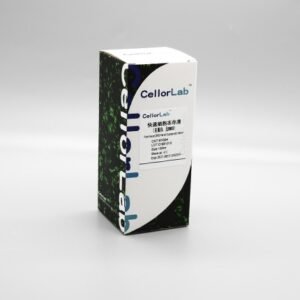
Cell Culture Reagents
Epizyme provides reagents for routine mammalian cell culture and sample preparation.
Products may include:
- Basal cell culture media
- Fetal bovine serum
- Phosphate-buffered saline
- Trypsin and cell-dissociation reagents
- Antibiotic solutions
- Cell-freezing media
- Mycoplasma detection products
- Cell-culture supplements
Customers should confirm medium composition, including glucose, glutamine, sodium pyruvate and indicator content.
Serum origin, qualification and batch consistency may be important for sensitive cell models.
Cell Viability and Apoptosis
The cell-analysis portfolio includes kits and fluorescent probes for measuring cell proliferation, cytotoxicity and programmed cell death.
Common applications include:
- Cell viability
- Cell proliferation
- Annexin V apoptosis detection
- Caspase activity
- Cell-cycle analysis
- Mitochondrial membrane potential
- Reactive oxygen species
- Live/dead staining
- Ferroptosis-related research
The selected fluorophores must be compatible with the lasers and filters of the flow cytometer or fluorescence microscope.
Cell density, incubation time and reagent concentration should be optimized during preliminary experiments.
Immunofluorescence and Histology
Epizyme supplies stains and supporting reagents for cultured cells and tissue sections.
Relevant products include:
- DAPI and Hoechst nuclear stains
- Cell-permeabilization reagents
- Blocking buffers
- Antibody diluents
- Fluorescent secondary antibodies
- Antifade mounting media
- Apoptosis staining kits
- Organelle-specific probes
Fixation and permeabilization conditions can influence antigen accessibility and cellular morphology. The protocol should be optimized for the target and specimen.
Research Applications
Epizyme products support:
- Molecular biology
- Gene-expression analysis
- Protein research
- Western blotting
- Cell culture
- Cancer research
- Immunology and inflammation
- Neuroscience
- Metabolic research
- Apoptosis and ferroptosis
- Autophagy
- Drug screening
Selecting Epizyme Products
Customers should provide the complete catalog number, package size and intended application when requesting a quotation.
For PCR and qPCR reagents, confirm the instrument, template type, reaction format and required reference dye. For protein research, check buffer compatibility and target molecular weight.
Many enzymes, antibodies and assay kits require frozen storage. Fluorescent reagents should normally be protected from light.
Epizyme Biomedical products are primarily intended for research use only and should not be presented as clinical diagnostic or therapeutic products unless the individual documentation states otherwise.