Novus Biologicals is a Bio-Techne brand specializing in antibodies and supporting reagents for life science research. Its portfolio includes primary antibodies, recombinant antibodies, secondary antibodies, proteins, lysates, ELISA kits and cellular research materials.
The brand is particularly well known for antibodies covering specialized targets and emerging research areas. Novus products are widely used in neuroscience, autophagy, cancer research, hypoxia, stem-cell biology and immunology.
The Novus antibody portfolio is now available through the broader R&D Systems and Bio-Techne product platform. Bio-Techne antibody portfolio
Primary Antibodies
Primary antibodies form the core of the Novus Biologicals portfolio. The catalog includes antibodies against thousands of human, mouse, rat and other species targets.
Available formats include:
- Recombinant monoclonal antibodies
- Traditional monoclonal antibodies
- Polyclonal antibodies
- Knockout-validated antibodies
- Phospho-specific antibodies
- Modification-specific antibodies
- Conjugated primary antibodies
- Carrier-free antibodies
Depending on the individual product, validated applications may include Western blotting, immunohistochemistry, immunofluorescence, flow cytometry, immunoprecipitation and ELISA.
Researchers should select an antibody according to its validated application rather than relying only on the target name and species reactivity.
Recombinant Antibodies
Novus supplies recombinant monoclonal antibodies produced from defined antibody sequences.
Potential advantages include:
- Improved lot-to-lot consistency
- Long-term supply
- Defined heavy- and light-chain sequences
- Reduced dependence on animal-derived production
- Compatibility with antibody engineering
- Consistent performance in standardized assays
Recombinant antibodies are particularly useful for long-term research projects, regulated workflows and studies requiring repeatable performance between batches.
The clone, host species, antibody isotype and validated application should be reviewed for every product.
Monoclonal and Polyclonal Antibodies
Traditional monoclonal antibodies recognize a defined epitope and can provide consistent target detection.
Polyclonal antibodies recognize multiple epitopes and may provide stronger signals or better tolerance of minor target modifications.
The preferred format depends on the experiment:
- Monoclonal antibodies are often selected for specificity and reproducibility.
- Polyclonal antibodies may be useful for low-abundance proteins or variable antigens.
- Recombinant monoclonal antibodies are preferred when long-term consistency is critical.
Researchers should review validation images, expected molecular weight, sample type and recommended dilution before purchasing.
Knockout-Validated Antibodies
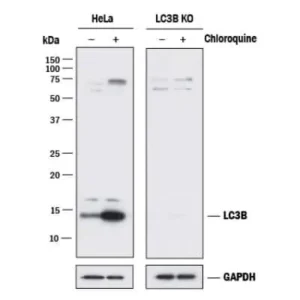
Knockout validation compares antibody signals in wild-type and gene-knockout samples.
A specific signal should disappear or decrease when the target gene is removed. This provides stronger evidence of specificity than validation based only on predicted molecular weight.
Knockout validation is especially valuable for:
- Proteins with several isoforms
- Targets belonging to closely related families
- Low-abundance proteins
- Antibodies showing multiple bands
- Immunofluorescence experiments
- Antibody specificity studies
Knockout data should still be compared with the intended species, cell type and application.
Western Blot Antibodies
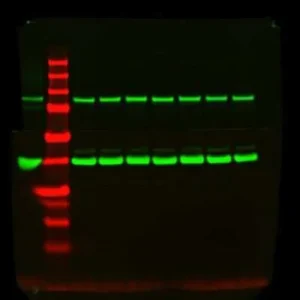
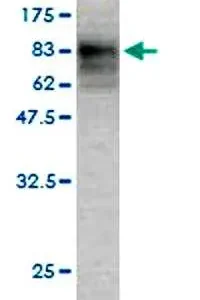
Novus supplies a large number of antibodies validated for Western blotting.
Product data may include:
- Expected molecular weight
- Tested lysates
- Recommended dilution
- Positive-control samples
- Knockout comparisons
- Supporting references
- Observed band patterns
The observed molecular weight may differ from the calculated value because of glycosylation, cleavage, phosphorylation, ubiquitination or alternative splicing.
Researchers should also confirm whether reducing or non-reducing conditions are recommended.
Immunohistochemistry Antibodies
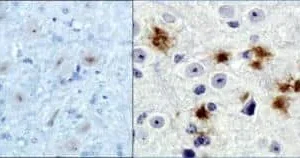
Novus antibodies are widely used for protein detection in formalin-fixed paraffin-embedded and frozen tissues.
Research applications include:
- Tumor biomarker analysis
- Neuroscience
- Developmental biology
- Immunology
- Tissue morphology
- Animal disease models
- Protein localization
IHC performance depends on fixation, antigen retrieval, tissue type, antibody concentration and detection chemistry.
Products validated using human tissue may require optimization before being applied to mouse, rat or other animal samples.
Immunofluorescence and Immunocytochemistry
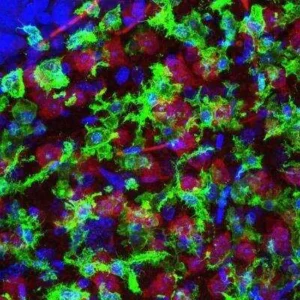
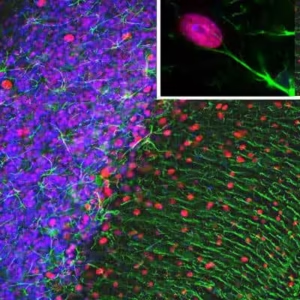
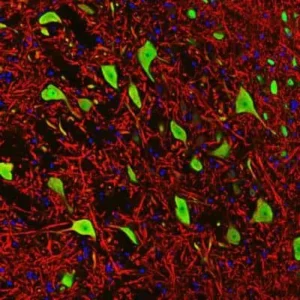
Selected Novus antibodies are validated for detecting proteins in cultured cells and tissue sections by fluorescence microscopy.
These products support:
- Subcellular localization
- Co-localization experiments
- Organelle research
- Cytoskeleton imaging
- Neuronal and glial staining
- Stem-cell characterization
- Cell-signaling studies
For multiplex experiments, researchers should consider the host species, antibody isotype and fluorophore spectrum.
Fixation and permeabilization methods should be matched to the location and properties of the target protein.
Flow Cytometry Antibodies
Novus provides purified and conjugated antibodies for selected flow cytometry applications.
Available targets may include:
- Immune-cell markers
- Stem-cell markers
- Cell-surface receptors
- Apoptosis proteins
- Intracellular signaling proteins
- Cancer biomarkers
Directly conjugated antibodies reduce the need for a secondary antibody and can simplify multicolor panel design.
Researchers should confirm the clone, fluorophore, species reactivity and recommended amount per test.
Conjugated Antibodies
Novus antibodies are available with selected enzyme, fluorophore and affinity-label conjugates.
Formats may include:
- HRP conjugates
- Biotin conjugates
- FITC conjugates
- Alexa Fluor conjugates
- PE conjugates
- APC conjugates
Conjugated antibodies may be used in flow cytometry, fluorescence microscopy, Western blotting and ELISA.
Fluorescent products should normally be stored protected from light and should not be frozen unless specifically recommended.
Secondary Antibodies
Novus supplies secondary antibodies for detecting primary antibodies from common host species.
Products may recognize:
- Rabbit IgG
- Mouse IgG
- Goat IgG
- Rat IgG
- Chicken IgY
- Sheep IgG
- Other immunoglobulins
Available labels include HRP, biotin and fluorescent dyes.
Cross-adsorbed secondary antibodies are useful for reducing unwanted reactivity in multiplex staining or experiments involving tissue from related species.
Neuroscience Antibodies
Neuroscience is one of the most recognizable research areas in the Novus portfolio.
The catalog covers targets associated with:
- Neurons
- Astrocytes
- Microglia
- Oligodendrocytes
- Synapses
- Axons
- Myelin
- Neuroinflammation
- Neurodegeneration
- Mitochondrial function
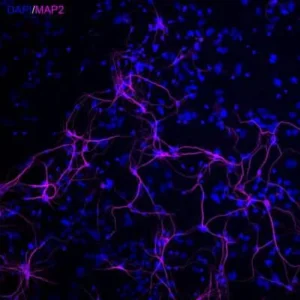
Relevant markers include GFAP, Iba1, NeuN, MAP2, Olig2, MBP, synaptic proteins and neurofilaments.
Novus also supplies antibodies for Alzheimer’s disease, Parkinson’s disease, ALS and other neurological research areas.
Researchers should review species compatibility carefully because brain samples from human, mouse and rat may produce different antibody performance.
Autophagy Research
Novus Biologicals has a strong presence in autophagy and lysosomal biology.
Relevant targets include:
- LC3 family proteins
- SQSTM1/p62
- Beclin 1
- ATG proteins
- ULK proteins
- Lysosomal markers
- Mitophagy proteins
- Autophagy receptors
Autophagy research normally requires several markers and experimental controls.
An increase in LC3-II may indicate greater autophagosome formation or reduced lysosomal degradation. Researchers should therefore evaluate autophagic flux rather than relying on a single endpoint.
Hypoxia Research
Novus is well known for antibodies used in oxygen-sensing and hypoxia research.
Key targets include:
- HIF-1 alpha
- HIF-2 alpha
- HIF-3 alpha
- VHL
- Prolyl hydroxylases
- Hypoxia-regulated proteins
- Angiogenesis markers
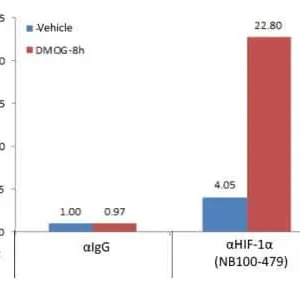
HIF proteins can degrade rapidly under normal oxygen conditions. Sample collection and processing procedures are therefore important for accurate detection.
Hypoxia antibodies are used in cancer, cardiovascular, pulmonary and metabolic research.
Stem-Cell Research
The Novus portfolio includes antibodies for identifying and characterizing embryonic, induced pluripotent and adult stem cells.
Relevant markers include:
- OCT4
- SOX2
- NANOG
- KLF4
- TRA-1-60
- TRA-1-81
- SSEA markers
- Differentiation markers
These products can support immunofluorescence, flow cytometry, Western blotting and differentiation studies.
Stem-cell identity should normally be evaluated using multiple markers together with functional or differentiation assays.
Cancer Research
Novus antibodies support research into:
- Oncogenes and tumor suppressors
- Cell proliferation
- Apoptosis
- DNA damage
- Angiogenesis
- Tumor metabolism
- Epithelial–mesenchymal transition
- Cancer stem cells
- Immune checkpoints
- Tumor microenvironment
Popular targets include Ki-67, p53, EGFR, HER2, PD-L1, HIF proteins, caspases and phosphorylated signaling proteins.
Mutation-specific and phospho-specific antibodies should be selected according to the exact residue or protein variant.
Immunology and Inflammation
The catalog includes antibodies against:
- Cytokines
- Chemokines
- Cluster-of-differentiation markers
- Toll-like receptors
- Inflammasome proteins
- Transcription factors
- Immune checkpoint molecules
- Macrophage and microglial markers
These products support immune-cell identification, signaling studies and inflammatory disease research.
Intracellular cytokine staining may require specialized fixation, permeabilization and secretion-blocking procedures.
Recombinant Proteins and Peptides
Novus supplies recombinant proteins and peptides for antibody validation, immunoassays and functional research.
Products may include:
- Cytokines
- Growth factors
- Enzymes
- Receptors
- Protein fragments
- Viral antigens
- Control proteins
- Immunizing peptides
Researchers should confirm the expression system, tag, purity, sequence and biological activity.
A protein supplied as an antibody control may not have the native folding or activity required for cell culture experiments.
ELISA Kits
The Novus catalog includes ELISA kits for measuring proteins in biological research samples.
Common sample types include:
- Serum
- Plasma
- Cell culture supernatant
- Cell lysates
- Tissue homogenates
- Other biological fluids
Researchers should confirm the target species, sample matrix, detection range, sensitivity and sample-volume requirement.
When the expected concentration is unknown, several preliminary sample dilutions may be necessary.
Lysates and Positive Controls
Novus supplies cell lysates, tissue lysates and overexpression lysates for use as experimental controls.
These materials may support:
- Western blot optimization
- Antibody validation
- Positive-control preparation
- Protein-expression analysis
- Assay development
Overexpression lysates may produce stronger signals than endogenous samples. They should therefore not be used to estimate normal physiological expression levels.
Research Kits and Supporting Reagents
The portfolio includes selected kits and reagents for:
- Cell viability
- Apoptosis
- Autophagy
- Oxidative stress
- Protein extraction
- Antibody labeling
- Immunodetection
- Cellular analysis
Compatibility with the sample type, detection instrument and experimental workflow should be confirmed before ordering.
Bio-Techne Product Integration
As part of Bio-Techne, the Novus antibody portfolio can be combined with products from other Bio-Techne brands.
Related product areas include:
- R&D Systems proteins and immunoassays
- Tocris small molecules and peptides
- ProteinSimple protein-analysis instruments
- Advanced Cell Diagnostics RNA in situ hybridization
- Bio-Techne cell and gene therapy products
This allows researchers to combine antibodies with proteins, assay kits, small molecules and automated analytical platforms from the same corporate group.
Research Areas
Novus Biologicals products support:
- Neuroscience
- Autophagy
- Cancer research
- Hypoxia
- Stem-cell biology
- Immunology
- Cardiovascular research
- Metabolism
- Infectious disease
- Epigenetics
- Cell signaling
- Developmental biology
Selecting Novus Biologicals Products
Start with the exact target, species and experimental application.
For antibodies, compare:
- Clone and host species
- Species reactivity
- Validated applications
- Expected molecular weight
- Tested samples
- Recommended dilution
- Knockout or orthogonal validation
- Supporting publications
For conjugated antibodies, confirm the fluorophore and instrument compatibility. For ELISA kits, check the sample matrix and measurement range. For proteins, review the expression system, purity and activity.
Most Novus Biologicals products are supplied for research use only and are not intended for clinical diagnosis or therapeutic use unless specifically stated.