About Hamilton
Hamilton develops precision instruments, automated laboratory platforms, sample management systems, sensors, syringes, and liquid handling products. Its technologies support life science research, pharmaceutical development, clinical diagnostics, analytical chemistry, and biopharmaceutical manufacturing.
The Hamilton portfolio ranges from manual pipettes and chromatography syringes to fully automated workstations and large-scale biobank systems. Laboratories can configure these technologies for individual workflows or integrate them into broader automation environments.
Automated Liquid Handling
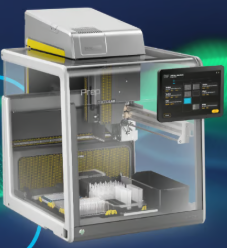
Hamilton is widely recognized for automated liquid handling systems. Its major workstation families include:
- Microlab Prep
- Microlab NIMBUS
- Microlab STAR
- Microlab STAR V
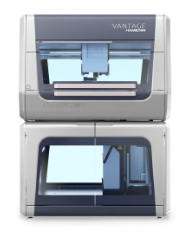
- Microlab VANTAGE
These platforms automate pipetting, dispensing, mixing, plate handling, incubation, magnetic bead processing, and other repetitive laboratory tasks.
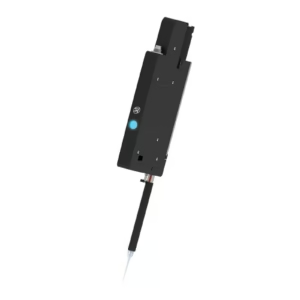
Hamilton systems use air-displacement pipetting and automated tip attachment technologies. Independent channels allow instruments to process different labware formats and liquid volumes within the same workflow.
Genomics and Molecular Biology Automation
Hamilton offers preconfigured and customizable solutions for genomics and molecular biology. Automated workflows can support:
- DNA and RNA extraction
- Magnetic bead purification
- PCR setup
- Quantitative PCR preparation
- NGS library preparation
- Target enrichment
- Sample normalization
- Sequencing pool preparation
- Long-read sequencing workflows
- Single-cell genomics
Automation helps reduce manual variability, improve sample traceability, and increase throughput. It is particularly valuable for experiments involving many samples or multiple reagent-transfer steps.
Cell Biology and Cell Culture Automation
Hamilton platforms can automate feeding, passaging, sampling, imaging preparation, and assay setup for mammalian and microbial cell cultures.
Cell Care STAR solutions support automated cell culture workflows. Additional integrations can provide controlled heating, cooling, shaking, incubation, and plate reading.
These systems are used for:
- Cell line development
- Cell-based assays
- Drug screening
- Organoid research
- Stem cell culture
- Toxicity testing
- Gene and cell therapy development
- Microbial culture
- Bioprocess development
Drug Discovery and Compound Management
Hamilton automation supports compound storage, transfer, dilution, and assay plate preparation. Liquid handling workstations can process compounds across tubes, vials, microplates, and other storage formats.
Common applications include:
- Compound library management
- Serial dilution
- Dose-response studies
- High-throughput screening
- ADME and DMPK assays
- Biochemical assay preparation
- Cell-based screening
- Lead optimization
Accurate low-volume transfer helps conserve valuable compounds and reagents during discovery workflows.
Automated Sample Storage and Biobanking
Hamilton provides automated storage systems for biological samples and compound collections. Available platforms support ambient, refrigerated, frozen, and ultra-low-temperature storage.
The sample management portfolio includes:
- Verso systems
- Verso Q-Series
- SAM HD Pro
- BiOS
- Sample storage tubes
- High-density racks
- Barcode readers
- Capping and decapping systems
- Inventory management software
Automated storage can improve sample traceability, protect temperature-sensitive materials, and reduce manual handling. These systems are relevant to biobanks, clinical research, genomics laboratories, pharmaceutical companies, and population studies.
Pipettes and Benchtop Liquid Handling
Hamilton offers manual pipettes, electronic pipetting products, diluters, dispensers, and benchtop instruments. Single-channel and multichannel pipettes support routine liquid transfer across different laboratory volumes.
Microlab 600 systems use precision syringes for accurate dispensing and dilution. These systems are used for sample preparation, analytical chemistry, standards preparation, and regulated laboratory workflows.
Laboratory Syringes and Needles
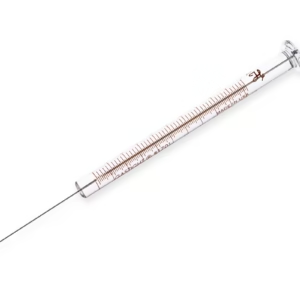
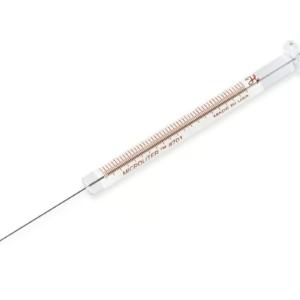
Hamilton manufactures precision syringes for manual use, automated instruments, chromatography, and OEM systems. The range includes:
- Gastight syringes
- Microliter syringes
- Calibrated syringes
- Digital syringes
- Autosampler syringes
- Instrument syringes
- Specialty syringes
- Laboratory needles
Hamilton syringes are widely used for GC and HPLC sample injection, liquid transfer, analytical standards, clinical instrumentation, and life science applications.
HPLC Columns and Chromatography Products
Hamilton offers HPLC columns for reversed-phase, anion-exchange, cation-exchange, and ion-exclusion chromatography. It also supplies chromatography syringes, septa, valves, fittings, tubing, and related accessories.
These products support pharmaceutical analysis, biomolecule separation, environmental testing, food analysis, forensic science, and general analytical chemistry.
Process Analytical Sensors
Hamilton sensors enable real-time monitoring of bioprocesses, chemical production, water treatment, and other industrial processes. The sensor portfolio includes:
- pH sensors
- Dissolved oxygen sensors
- Dissolved carbon dioxide sensors
- Conductivity sensors
- Cell density sensors
- Glucose sensors
- ORP sensors
- Single-use sensor elements
Incyte sensors measure viable cell density during cultivation. Dencytee products support optical cell density measurement, while VisiFerm and OxyFerm products monitor dissolved oxygen.
Real-time measurements can help process teams detect changes, optimize feeding strategies, and maintain consistent culture conditions.
Consumables and Automation Accessories
Hamilton supplies consumables and accessories designed for its automated and manual platforms. Products include:
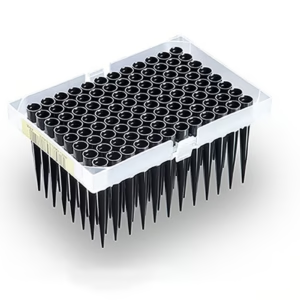
- CO-RE and CO-RE II pipette tips
- Wide-bore and low-volume tips
- Reagent reservoirs
- Sample storage tubes
- Tube caps
- Plates
- Racks
- Plate seals
- Automation carriers
- Capping and decapping products
Validated combinations of instruments and consumables help support consistent pipetting performance and reliable automated operation.
Software and Integrated Laboratory Workflows
VENUS software controls Hamilton automated liquid handling platforms. Laboratories can build methods, manage instrument functions, monitor workflows, and integrate third-party devices.
Hamilton also provides APIs and broader software tools for connecting automation platforms with laboratory information systems, sample databases, analytical instruments, and scheduling software.
Key Research and Industry Applications
Hamilton products support:
- Genomics and next-generation sequencing
- Molecular biology
- Drug discovery and screening
- Cell biology
- Cell and gene therapy
- Clinical diagnostics
- Biobanking
- Analytical chemistry
- Pharmaceutical quality control
- Protein research
- Bioprocess development
- Agrigenomics
- Forensic testing
- Food and beverage analysis
- Environmental monitoring