Dakewe develops instruments, reagents and consumables for histology, immunohistochemistry and digital pathology. Its product portfolio covers the laboratory workflow from specimen identification and tissue processing to sectioning, staining, coverslipping and slide scanning.
The brand is particularly relevant to pathology laboratories, research institutions, hospitals and preclinical research facilities that need integrated tissue preparation and imaging solutions.
Tissue Processing Systems
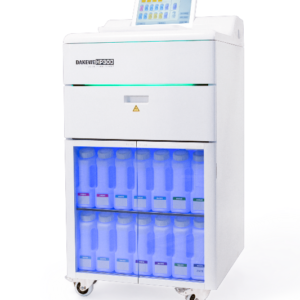
Dakewe tissue processors automate the dehydration, clearing and paraffin infiltration steps required before tissue embedding. The product range includes HP300, HP300 Plus and HP-HUGO tissue processing systems.
These instruments are designed to process routine surgical specimens, biopsies and other fixed tissue samples. Processing quality can directly affect sectioning, staining and the preservation of tissue morphology.
When selecting a tissue processor, laboratories should consider:
- Number and type of specimens
- Retort capacity
- Reagent management
- Processing protocols
- Fume control
- Workflow traceability
- Daily laboratory throughput
Reagents, specimen cassettes and processing schedules should be optimized together. Incomplete dehydration or paraffin infiltration can lead to poor section quality even when the microtome is operating correctly.
Rotary Microtomes
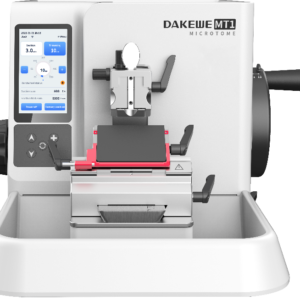
Dakewe VANGO rotary microtomes are used to prepare thin sections from paraffin-embedded tissue blocks. The portfolio includes semi-automated models designed for routine histology and research applications.
Important factors when choosing a microtome include section-thickness range, feed accuracy, blade compatibility, specimen orientation and operator safety. Laboratories processing large numbers of blocks may also need motorized functions and ergonomic controls.
Compatible disposable blades, cassettes, microscope slides and water-bath equipment should be considered as part of the complete sectioning workflow.
Cryostat Microtomes
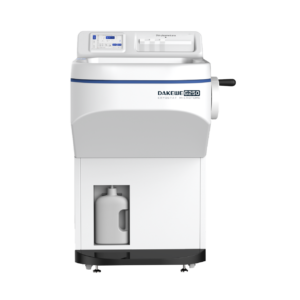
The VANGO cryostat range supports frozen tissue sectioning for rapid pathology and research applications. Models include the VANGO 6250, CT520 and CT620 cryostat microtomes.
Cryostats combine a microtome with a temperature-controlled chamber. They are used when tissue must be sectioned without routine paraffin processing or when certain antigens, enzymes or lipids need to be preserved.
Product selection should consider:
- Chamber temperature range
- Specimen cooling performance
- Section-thickness accuracy
- Blade-holder design
- Disinfection and cleaning
- Operator protection
- Daily specimen volume
Different tissues may require different cutting temperatures. Fatty, muscular and fibrous specimens should not automatically use the same chamber and specimen-head settings.
Slide and Cassette Printers
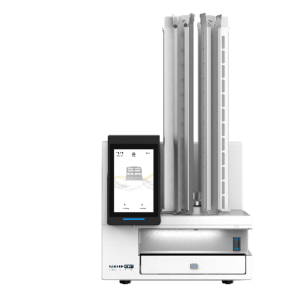
The SurePrint product family provides identification solutions for tissue cassettes and microscope slides. Available models include compact printers and higher-throughput systems with multiple input and output positions.
Direct printing can improve specimen traceability and reduce errors associated with handwritten labels or separate adhesive labels. Printed information may include accession numbers, barcodes, QR codes and patient or research sample identifiers.
Compatibility with the laboratory information system, cassette material, slide coating and required barcode format should be confirmed before ordering.
Automated Staining and Coverslipping
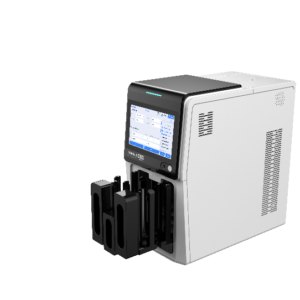
Dakewe offers equipment for histological staining and automated coverslipping. The VANGO DP360 and CS600 workstation supports slide staining and coverslip preparation as part of a coordinated pathology workflow.
Automated systems can improve consistency when laboratories process large numbers of hematoxylin and eosin slides. They can also reduce manual handling of solvents and mounting media.
Laboratories should evaluate slide capacity, staining-station configuration, reagent consumption, drying functions and compatible coverslip sizes.
Histology Reagents and Consumables
The Dakewe portfolio includes hematoxylin and eosin staining solutions, histological staining reagents and consumables used throughout tissue preparation.
Histoflo products include:
- Tissue embedding cassettes
- Adhesive microscope slides
- Standard microscope slides
- Etching microscope slides
- Cover glass
- Other sectioning and staining consumables
Adhesive slides are useful when tissue sections may detach during antigen retrieval or intensive staining procedures. Cassette and slide specifications should match the laboratory’s printers, processors and staining equipment.
Immunohistochemistry Systems
The PathDR product family includes automated IHC staining instruments for tissue biomarker detection. Different models are available for research and in vitro diagnostic workflows.
Supporting products include:
- IHC primary antibodies
- Detection systems
- Immunochromogenic reagents
- Antigen retrieval solutions
- Wash solutions
- Dewaxing solutions
- Instrument consumables
Automated IHC systems can control incubation, washing, antigen retrieval and detection steps. This helps reduce operator-dependent variation and supports standardized staining across multiple slides.
Research-use and diagnostic instruments should be treated as separate product categories. Regulatory status must be confirmed for the exact model and market before it is promoted for clinical use.
IHC Primary Antibodies and Detection Reagents
Dakewe supplies antibodies for commonly studied tissue markers, including Ki-67, Desmin and other targets used in histopathology.
Antibody selection should be based on tissue type, fixation method, antigen retrieval conditions, staining platform and intended application. A marker validated on one instrument or tissue type may require optimization when transferred to another workflow.
Detection systems and chromogenic reagents also influence staining intensity, background and localization. Laboratories should evaluate the complete antibody and detection combination rather than considering the primary antibody alone.
Digital Pathology
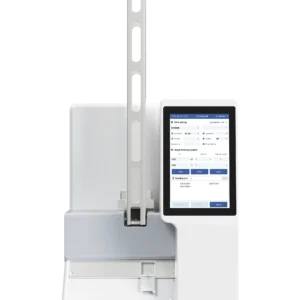
Dakewe’s Pathpilot slide scanners are designed to convert stained glass slides into high-resolution digital images. Different models are intended to support smaller research projects and higher-throughput slide digitization.
Digital pathology systems can be used for:
- Remote slide review
- Image archiving
- Research collaboration
- Quantitative tissue analysis
- Education and training
- AI-assisted image analysis
Scanner selection should consider slide capacity, objective magnification, scanning speed, image format, storage requirements and compatibility with image analysis software.
Specimen Traceability and Laboratory Connectivity
Dakewe also develops pathology specimen traceability and connected laboratory solutions. These systems help link tissue cassettes, paraffin blocks, microscope slides and digital images throughout the workflow.
A traceability system can reduce identification errors and provide a record of specimen handling. Integration requirements should be discussed with the laboratory because barcode standards, network policies and laboratory information systems vary between sites.
Main Applications
Dakewe products support:
- Histology research
- Surgical pathology
- Immunohistochemistry
- In situ hybridization
- Cancer biomarker research
- Frozen tissue sectioning
- Preclinical tissue analysis
- Digital pathology
- Pathology laboratory automation
- Specimen identification and traceability
Selecting and Purchasing Dakewe Products
Equipment should be selected according to the complete pathology workflow. A tissue processor, microtome or IHC stainer may require dedicated reagents, consumables, accessories and regular maintenance.
Before ordering, confirm the model, voltage, plug type, instrument dimensions, installation requirements and local service availability. For automated systems, laboratories should also check reagent compatibility, software language and connectivity requirements.
Dakewe supplies both research-use and clinical pathology products. The regulatory classification of each instrument, antibody or reagent must be verified separately for the intended country and application.