About Corning Life Sciences
Corning Life Sciences provides laboratory consumables, cell culture technologies, extracellular matrices, glassware, and bioprocess solutions. Its products support research from basic sample preparation to advanced cell models and large-scale biopharmaceutical production.
Corning combines materials science with life science manufacturing expertise. The portfolio serves academic laboratories, biotechnology companies, pharmaceutical developers, diagnostic manufacturers, and cell therapy organizations.
Cell Culture Products
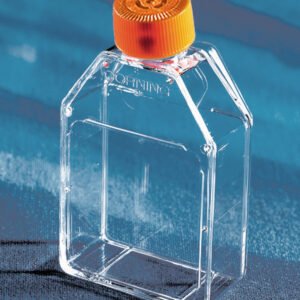
Corning is widely recognized for cell culture vessels and treated growth surfaces. Its cell culture portfolio includes:
- Cell culture flasks
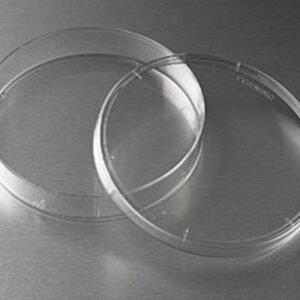
- Cell culture dishes
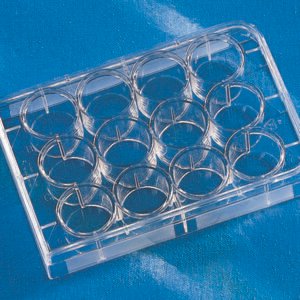
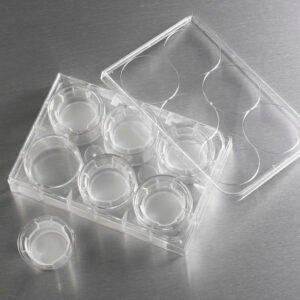
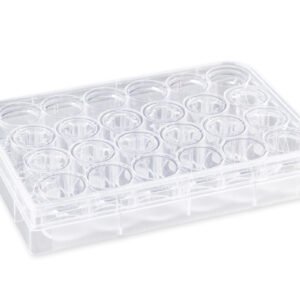
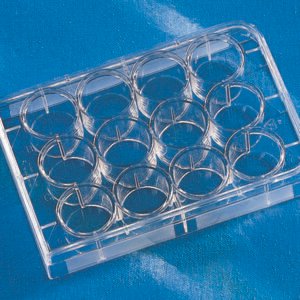
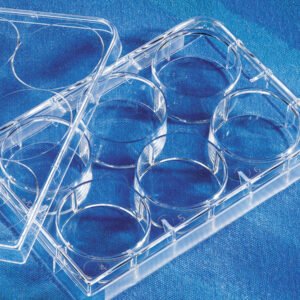
- Multiple-well plates
- Roller bottles
- CellSTACK culture chambers
- HYPERStack vessels
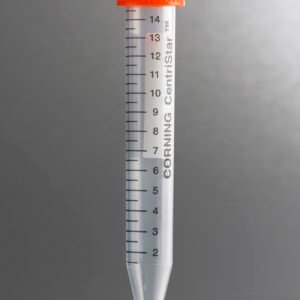
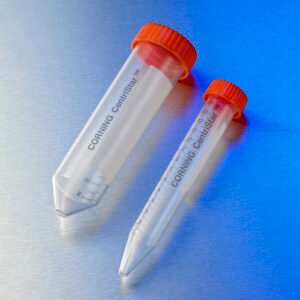
- Cell culture tubes
- Cell scrapers and lifters
- Cell strainers
- Cryogenic storage products
Corning cell culture surfaces support cell attachment, growth, differentiation, and experimental consistency. Available surface treatments and vessel formats meet the needs of both routine cell culture and specialized research.
Advanced Cell Culture Surfaces and Extracellular Matrices
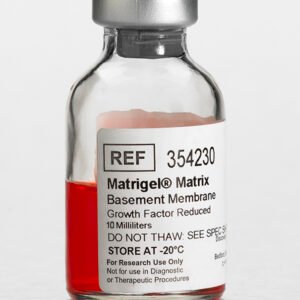
Corning offers advanced surfaces and extracellular matrix products for conventional, stem cell, primary cell, and three-dimensional culture. Major product families include Matrigel matrix, CellBIND surfaces, Ultra-Low Attachment surfaces, BioCoat vessels, and Synthemax synthetic culture substrates.
These technologies help researchers control cell attachment and create biologically relevant culture environments. They support organoid development, spheroid formation, stem cell expansion, invasion assays, differentiation studies, and disease modeling.
3D Cell Culture and Organoid Research
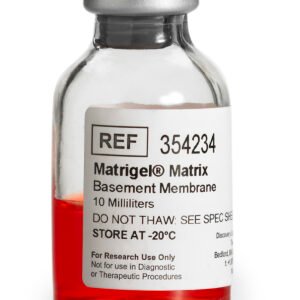
Corning products enable researchers to create three-dimensional cell models that better reproduce tissue architecture and cellular interactions. Ultra-Low Attachment plates support consistent spheroid formation. Matrigel matrix provides an extracellular environment for organoids and other complex culture systems.
These products are widely used in:
- Cancer biology
- Tumor spheroid research
- Organoid culture
- Stem cell research
- Drug response testing
- Toxicology
- Tissue engineering
- Personalized medicine
- Disease modeling
Transwell Permeable Supports
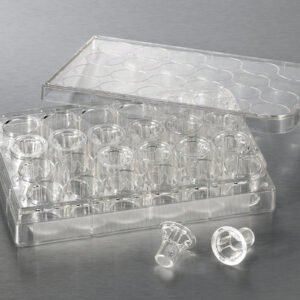
Corning Transwell inserts create separate apical and basolateral compartments within a culture vessel. They allow researchers to study transport, permeability, migration, invasion, and interactions between different cell populations.
Transwell products support intestinal barrier models, airway research, blood-brain barrier studies, drug transport analysis, epithelial cell polarization, chemotaxis, and coculture experiments. Different membrane materials, pore sizes, and plate formats are available for specific applications.
Bioprocess and Cell Therapy Solutions
Corning offers scalable cell culture products for research, process development, vaccine production, biologics manufacturing, and cell therapy workflows. The portfolio includes:
- CellSTACK culture chambers
- HYPERStack vessels
- Roller bottles
- Disposable spinner flasks
- Closed-system cell culture products
- Media and reagents
- Cell harvesting and processing accessories
These platforms help researchers move from early-stage experiments to larger cell culture volumes. Their scalable formats support adherent cell expansion, viral vector production, vaccine development, recombinant protein manufacturing, and cell-based therapies.
Microplates and High-Throughput Screening
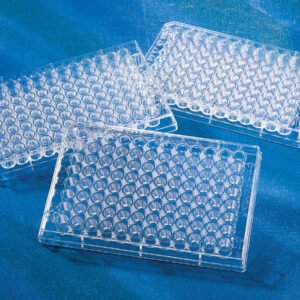
Corning microplates support biochemical assays, cell-based assays, imaging, sample storage, and high-throughput screening. The range includes clear, black, white, and combination-color plates in multiple well formats.
Available options include tissue culture-treated surfaces, low-binding surfaces, high-binding surfaces, and specialized assay coatings. Corning microplates are commonly used for fluorescence, luminescence, absorbance, microscopy, ELISA, and drug screening workflows.
Genomics and Molecular Biology Consumables
Corning supplies products for nucleic acid preparation, amplification, storage, and analysis. The molecular biology range includes:
- PCR tubes and plates
- Microcentrifuge tubes
- Automation-compatible consumables
- Pipette tips
- Reservoirs
- Sealing films
- Sample storage plates
- Laboratory equipment
These products support PCR, quantitative PCR, genotyping, sequencing preparation, gene expression analysis, and routine molecular biology procedures.
Laboratory Glassware and General Labware
Corning laboratory glassware includes PYREX beakers, flasks, bottles, cylinders, tubes, and other reusable products. Borosilicate glass construction provides chemical resistance and thermal stability for many laboratory applications.
The wider labware portfolio also includes plastic bottles, centrifuge tubes, filtration products, liquid handling consumables, and sample preparation accessories.
Filtration Products
Corning filtration products support sterilization, clarification, media preparation, and sample processing. The portfolio includes bottle-top filters, syringe filters, vacuum filtration systems, and membrane-based products.
These products are used to prepare buffers and media, remove particulates, sterilize solutions, and process biological samples. Different membrane materials and pore sizes support a range of aqueous and solvent-based applications.
Key Research Areas
Corning Life Sciences products support research and development in:
- Cell biology
- Cancer research
- Stem cell research
- Organoid and spheroid models
- Cell and gene therapy
- Drug discovery and screening
- Molecular biology and genomics
- Immunology
- Microbiology
- Vaccine development
- Biopharmaceutical production
- Tissue engineering
- Disease modeling
- Diagnostic assay development