BPS Bioscience develops recombinant proteins, biochemical assay kits, engineered cell lines and virus-based research tools for drug discovery and life science research. The company is particularly recognized for products that allow researchers to evaluate enzymes, receptors, protein interactions and cellular signaling pathways.
Its portfolio supports target validation, compound screening, antibody development, immunotherapy research and preclinical drug discovery.
Recombinant Proteins and Enzymes
BPS Bioscience supplies purified recombinant proteins for biochemical assays, binding studies and drug screening.
Product types include:
- Active enzymes
- Protein kinases
- Epigenetic enzymes
- Ubiquitination enzymes
- Recombinant receptors
- Cytokines and growth factors
- Immune checkpoint proteins
- Viral proteins
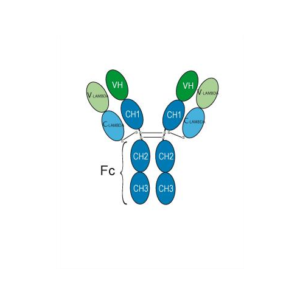
- Fc-fusion proteins
- Biotinylated proteins
- Avi-tagged proteins
Researchers should review the expression system, purity, activity, tag, molecular weight and formulation before ordering. A protein designed for biochemical screening may not be suitable for cell culture or animal administration.
Active Enzymes for Drug Screening
Many BPS Bioscience proteins are supplied as catalytically active enzymes for inhibitor screening and mechanism-of-action studies.
Major enzyme categories include:
- Protein kinases
- Histone-modifying enzymes
- DNA-modifying enzymes
- Proteases
- Phosphatases
- Deubiquitinases
- Ubiquitin ligases
- PARP enzymes
- Metabolic enzymes
- Viral enzymes
The enzyme construct, substrate and assay conditions can influence inhibitor potency. Results obtained with an isolated catalytic domain may differ from those generated using a full-length protein or cellular system.
Biochemical Assay Kits
BPS Bioscience provides biochemical assay kits for measuring enzyme activity, protein binding and compound inhibition.
Available assay formats may include:
- Luminescence assays
- Fluorescence assays
- Colorimetric assays
- AlphaLISA-based assays
- TR-FRET assays
- ELISA-type assays
- Fluorescence polarization assays
Kits generally include the target protein, substrate and essential assay reagents. Depending on the product, researchers may need to supply detection instruments, plates, compounds and control inhibitors.
Before selecting a kit, confirm the required plate format, excitation and emission settings, luminescence reader compatibility and recommended compound solvent.
Kinase Assay Products
The kinase portfolio supports research into cell signaling, cancer biology and targeted drug development.
Products include:
- Active kinase proteins
- Kinase assay kits
- Kinase substrates
- Kinase inhibitors
- Kinase-expressing cell lines
- Cellular reporter assays
Kinase assays can be used to determine compound potency, selectivity and mechanism of inhibition.
ATP concentration is an important experimental variable. Inhibitors competing with ATP may appear less potent when the assay uses a high ATP concentration.
Epigenetics Research Products
Epigenetics is one of BPS Bioscience’s established research areas. The portfolio covers enzymes and assays involved in chromatin regulation and gene expression.
Relevant targets include:
- Histone methyltransferases
- Histone demethylases
- Histone acetyltransferases
- Histone deacetylases
- BET bromodomains
- DNA methyltransferases
- Methyl-binding proteins
- PARP enzymes
- Chromatin-associated proteins
Products may include active enzymes, reader domains, substrates, inhibitors and biochemical assay kits.
Researchers should distinguish between catalytic-enzyme assays and protein–protein interaction assays because the detection principles and interpretation are different.
Ubiquitin and Ubiquitin-Like Pathways
BPS Bioscience supplies products for studying protein ubiquitination, deubiquitination and regulated protein degradation.
The portfolio includes:
- E1 activating enzymes
- E2 conjugating enzymes
- E3 ligases
- Deubiquitinases
- Ubiquitin proteins
- Ubiquitin chains
- SUMO-related enzymes
- NEDD8 pathway products
- Ubiquitination assay kits
These products support studies of proteostasis, cancer signaling and targeted protein degradation.
A functional ubiquitination reaction may require several enzymes, ATP, cofactors and an appropriate substrate. Compatibility between components should be confirmed before assembling a custom assay.
PROTAC and Targeted Protein Degradation
Products for targeted protein degradation help researchers investigate PROTAC molecules, molecular glues and E3 ligase recruitment.
Relevant products include:
- E3 ligase proteins
- Target proteins
- Binding assay kits
- Ternary-complex assays
- Reporter cell lines
- Ubiquitination enzymes
- Proteasome-related reagents
Biochemical binding does not automatically demonstrate cellular degradation. A complete evaluation may require target engagement, ternary-complex formation, ubiquitination and cellular protein-degradation experiments.
Immune Checkpoint Proteins
BPS Bioscience offers recombinant proteins for immune checkpoint and immunotherapy research.
Targets may include:
- PD-1
- PD-L1
- CTLA-4
- TIGIT
- CD155
- LAG-3
- TIM-3
- B7 family proteins
- CD47
- SIRP alpha
- Other immune regulatory receptors and ligands
Proteins are available in formats such as Fc fusions, His-tagged proteins and biotinylated proteins for antibody screening, binding assays and immunoassay development.
Researchers should verify protein orientation, tag location, oligomeric state and species before selecting a product.
Cell-Based Assay Kits
Cell-based assay kits measure biological activity in a cellular environment. They can provide information that is not captured by isolated-protein assays.
Applications include:
- Receptor activation
- Transcriptional signaling
- Immune checkpoint blockade
- Cytokine signaling
- Compound agonism or antagonism
- Protein–protein interactions
- Drug cytotoxicity
- Targeted protein degradation
Many kits use luciferase or fluorescent reporter genes linked to specific signaling pathways.
Cell health, passage number, incubation time and compound solvent concentration can substantially affect assay performance.
Reporter Cell Lines
BPS Bioscience develops engineered reporter cell lines for measuring pathway activation and receptor activity.
Reporter systems may cover:
- NF-kappa B
- JAK–STAT
- Wnt
- TGF-beta
- Notch
- Hippo
- GPCR signaling
- Nuclear receptors
- Immune checkpoints
- Cytokine receptors
Reporter cell lines are useful for compound screening and antibody functional testing because pathway activation can be measured through a standardized signal.
Researchers should confirm the host cell, reporter design, selection antibiotic and required culture medium before ordering.
Immune Checkpoint Reporter Assays
Immune checkpoint cell-based assays help evaluate antibodies and other molecules that activate or block immune receptor–ligand interactions.
A typical system may include:
- Receptor-expressing effector cells
- Ligand-expressing target cells
- A pathway-responsive reporter
- Detection reagent
- Reference control antibody
These assays can support functional screening of checkpoint inhibitors. They do not replace primary immune-cell experiments or in vivo efficacy studies, but they provide a standardized method for comparing candidate molecules.
CAR-T and Cell Therapy Research
BPS Bioscience products support CAR-T, T-cell engager and cell-therapy development.
Available tools may include:
- Target antigen proteins
- Antigen-expressing cell lines
- Luciferase target cells
- CAR reporter cells
- Cytokines
- Immune checkpoint proteins
- Lentiviral vectors
- Functional assay kits
Engineered target cells can simplify cytotoxicity, binding and activation experiments. Researchers should confirm antigen density because highly overexpressing cells may not accurately represent endogenous tumor expression.
Virus-Based Research Tools
The virus-based portfolio includes lentiviruses, pseudoviruses and other engineered viral tools.
Applications include:
- Gene delivery
- Reporter expression
- Stable cell-line generation
- Receptor overexpression
- CRISPR experiments
- Viral entry research
- Neutralization assays
- Cell signaling studies
Virus titer, host-cell compatibility, biosafety requirements and selection marker should be checked before ordering.
These products are intended for controlled laboratory research and should be handled according to institutional biosafety procedures.
Pseudovirus Systems
Pseudoviruses allow researchers to investigate viral entry and neutralization without working with the corresponding replication-competent pathogen.
Pseudovirus products can support:
- Neutralizing antibody testing
- Vaccine research
- Viral receptor studies
- Entry inhibitor screening
- Infectious disease research
The envelope protein, reporter gene, target-cell receptor and pseudovirus titer all influence assay results. Comparisons should normally be performed using the same pseudovirus lot and standardized cell conditions.
CRISPR and Gene-Editing Products
BPS Bioscience provides proteins, cell lines and viral products for gene-editing research.
Products may include:
- Cas proteins
- CRISPR-associated enzymes
- Cas-expressing cell lines
- Reporter cell lines
- Lentiviral constructs
- Gene-editing assay reagents
Researchers should verify nuclease type, guide-RNA requirements, nuclear localization sequences and activity units.
Gene-editing efficiency should be evaluated together with off-target effects and cell viability.
Antibodies
The antibody portfolio includes research antibodies against enzymes, receptors, immune checkpoints and signaling proteins.
Available formats may include:
- Monoclonal antibodies
- Polyclonal antibodies
- Recombinant antibodies
- Neutralizing antibodies
- Detection antibodies
- Conjugated antibodies
Applications depend on the product and may include Western blotting, ELISA, flow cytometry, immunofluorescence and functional blocking.
Functional antibodies should not be selected solely from binding data. Neutralization or receptor-activation evidence should be reviewed when biological activity is required.
Recombinant Cytokines and Growth Factors
Cytokines and growth factors are available for cell culture, immune-cell stimulation and functional assay development.
Applications include:
- T-cell activation
- Immune-cell differentiation
- Stem cell culture
- Cytokine signaling
- Reporter assay stimulation
- Cell proliferation
For sensitive cell-based experiments, researchers should review endotoxin level, sterility, carrier protein and biological activity.
The appropriate working concentration depends on the cell type, culture duration and experimental endpoint.
GPCR Products
BPS Bioscience supports G protein-coupled receptor research with engineered cell lines, membrane preparations and assay products.
These tools may be used for:
- Agonist screening
- Antagonist screening
- Receptor activation
- Second-messenger assays
- Beta-arrestin recruitment
- Ligand-binding studies
GPCR behavior depends on receptor expression, G-protein coupling and cellular background. Results from an engineered cell line may need confirmation in a more physiologically relevant model.
Ion Channel Products
Products for ion channel research may include recombinant cell lines, assay-ready cells and functional screening systems.
Applications include:
- Compound potency measurement
- Channel activation or inhibition
- Drug selectivity studies
- Safety pharmacology research
Researchers should confirm the channel subtype, accessory subunits, cell background and required detection instrument.
Inhibitors and Activators
BPS Bioscience supplies selected small-molecule inhibitors and activators as assay controls and research tools.
These compounds can support:
- Target validation
- Positive-control experiments
- Assay optimization
- Pathway modulation
- Comparative screening
A compound described as selective may interact with additional targets at higher concentrations. Experimental controls and concentration-response testing remain necessary.
Drug Screening and Profiling Services
BPS Bioscience provides screening and profiling services for researchers who need to test compounds or antibodies across biochemical and cellular assays.
Service capabilities may include:
- Enzyme inhibition screening
- Compound dose-response analysis
- Selectivity profiling
- Cell-based functional testing
- Antibody blocking assays
- Protein-binding studies
- Custom assay development
Customers should define the test molecules, concentration range, controls, replicate number and required data format before beginning a project.
Custom Protein Development
Custom services include recombinant protein expression, purification and activity testing.
Project options may involve:
- Construct design
- Expression-system selection
- Protein purification
- Tag removal
- Biotin labeling
- Enzyme activity testing
- Scale-up production
The appropriate expression system depends on whether the protein requires glycosylation, disulfide bonds, membrane association or other post-translational modifications.
Custom Cell-Line and Assay Development
BPS Bioscience can develop engineered cell lines and functional assays for specialized drug-discovery projects.
Projects may include:
- Stable receptor-expressing cell lines
- Reporter-gene systems
- Knockout or knock-in cells
- Target overexpression
- Cell-based potency assays
- Screening-ready assay optimization
The customer should define the biological pathway, target expression level, readout, throughput and performance criteria.
Research Applications
BPS Bioscience products support:
- Cancer research
- Immuno-oncology
- Epigenetics
- Cell signaling
- Infectious disease
- Gene editing
- Cell and gene therapy
- Targeted protein degradation
- Metabolism
- Neuroscience
- Antibody development
- Drug screening
- Biochemical assay development
Selecting BPS Bioscience Products
For recombinant proteins, review the construct, expression system, tag, purity and measured activity. For enzyme assay kits, confirm the detection method, reader settings, plate type and required substrate.
For cell products, verify the host cell, genetic modification, passage instructions, culture medium and selection antibiotic. For virus-based tools, check the viral system, titer, biosafety requirements and compatible target cells.
The complete catalog number should be included when requesting a quotation because similar targets may be available in several constructs, assay formats or labeling configurations.
BPS Bioscience products are intended for research use only and are not intended for clinical diagnosis or therapeutic use.